

Since your appointment as Executive Secretary of the UNCCD, COP17 in Mongolia will be the first Conference of the Parties held under your leadership. What outcomes must be achieved for you to consider COP17 a success?
Mongolia is a fitting place to have this conversation. Few countries illustrate more clearly both the urgency of land degradation and the opportunities that come from investing in healthy land. Nearly 77 per cent of the country's territory is affected by degradation, yet Mongolia has also shown international leadership by bringing greater attention to rangelands and pastoralists at a moment when these ecosystems have never been more important.
That is why, for me, success at COP17 is not defined simply by what happens during the two weeks of negotiations. Conferences begin conversations, but it is what follows afterwards that ultimately matters.
The international community has already made important commitments. More than 130 countries have committed to achieving Land Degradation Neutrality and collectively aim to restore 1.5 billion hectares of degraded land by 2030. What they need now are stronger partnerships, greater investment and practical support to turn those commitments into measurable results.
One of my priorities is therefore to ensure that land restoration is increasingly viewed as an investment rather than an environmental cost. The economic case is compelling.
Countries estimate they need around USD 355 billion annually to address land degradation and drought, while current investment stands at about USD 77 billion. Yet the annual cost of inaction is far greater.
Closing that gap will require governments, development banks, international financial institutions and the private sector to work together in new ways.
I also hope COP17 helps place rangelands much higher on the global agenda. They cover more than half of the Earth's land surface, support around two billion people and provide one-sixth of the world's food supply, yet they remain among the least recognised ecosystems in international policy and investment. Hosting COP17 during the International Year of Rangelands and Pastoralists offers a unique opportunity to change that.
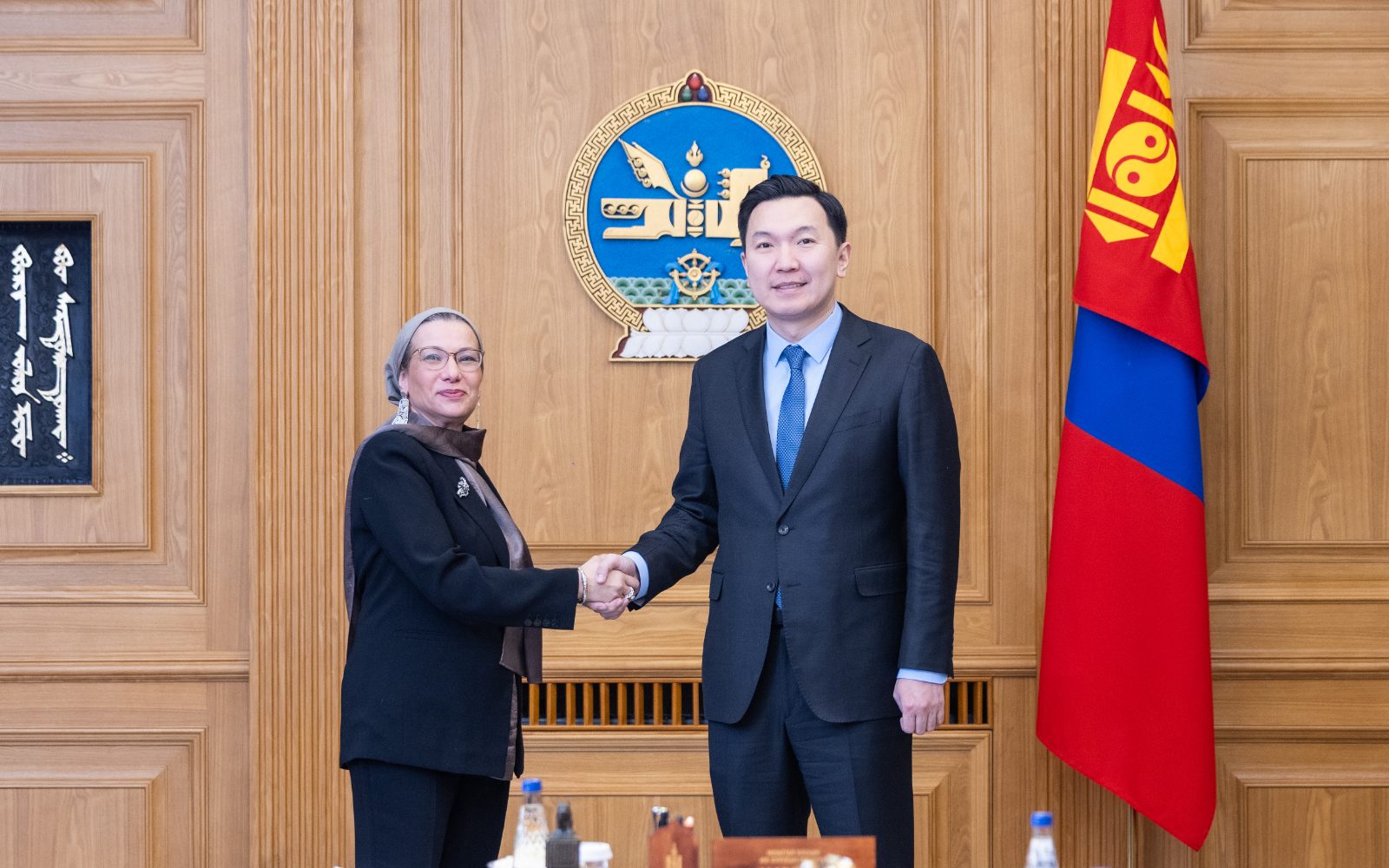
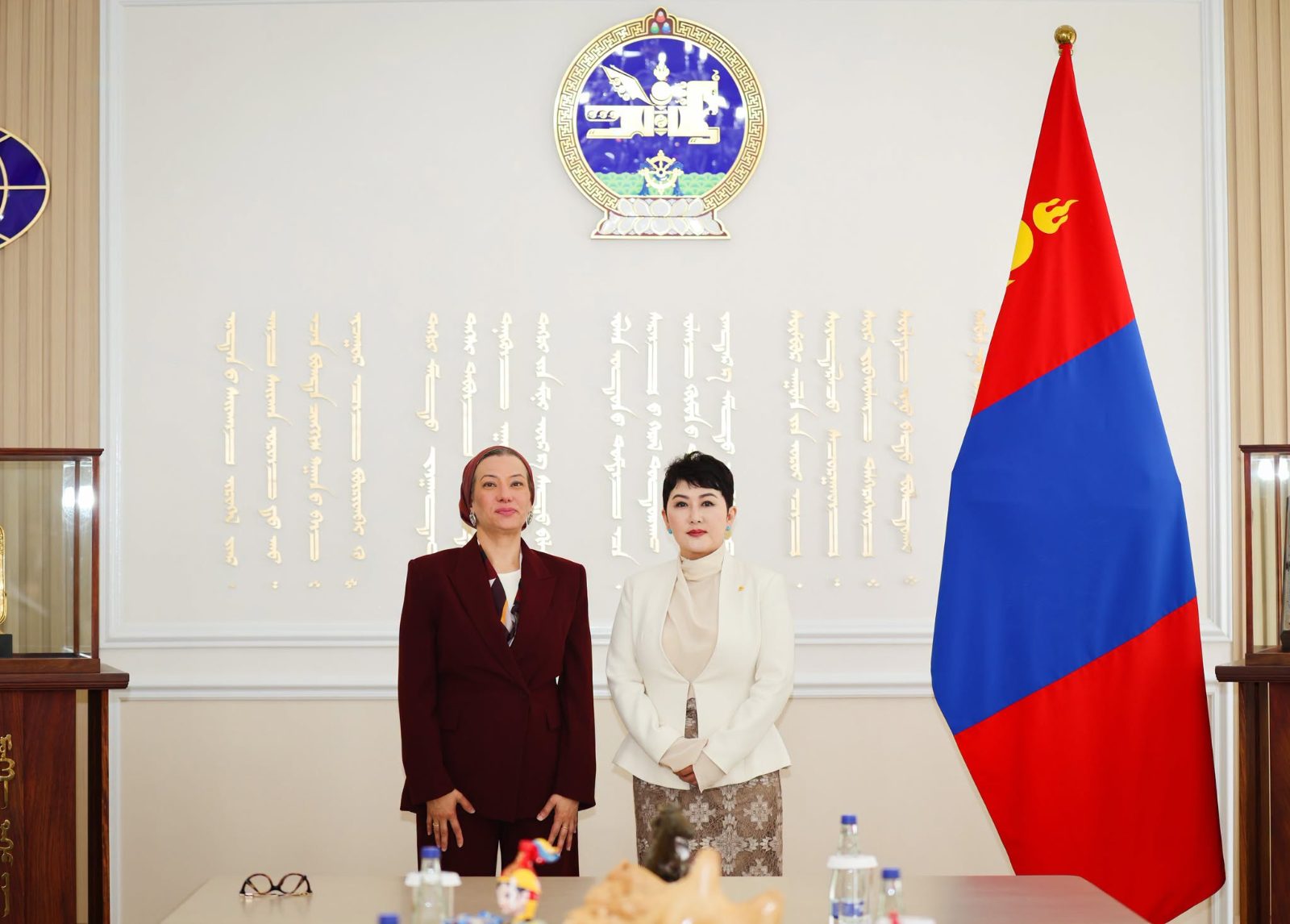
Above all, I hope COP17 strengthens the recognition that lasting restoration begins with people. My recent visit to Mongolia reinforced my confidence that the country is well placed to host this Conference. It also reminded me that the discussions we will have in Ulaanbaatar are closely connected to the realities of the people and landscapes they are intended to serve.
If, when we look back in a few years' time, COP17 has mobilised stronger partnerships, increased investment and accelerated action where it matters most, on the ground, I will consider it a success.
In which regions of the world is land degradation advancing most rapidly? If current trends continue, how could food production, water resources, livelihoods and migration be affected over the next 10 to 20 years?
Land degradation affects every region of the world, but its impacts are particularly visible across the world's drylands. From the Sahel to Central Asia and from Mongolia to parts of Latin America, communities are facing the combined pressures of unsustainable land use, more frequent droughts and increasing water scarcity. At the same time, recent droughts and extreme heat across Europe and North America remind us that no country is immune.
If these trends continue, the implications will extend far beyond the environment. Productive land underpins food systems, water security and rural economies. As soils lose fertility, biodiversity declines and landscapes become less resilient, agricultural production becomes increasingly vulnerable to climate shocks, placing greater pressure on food security and livelihoods. The social consequences are equally significant. Declining land productivity reduces incomes and economic opportunities, particularly in rural areas where communities depend directly on agriculture and pastoralism. In some cases, this contributes to migration.
Generating returns of between USD 7 and USD 30 for every dollar invested in sustainable land management.
The good news is that these trends are not inevitable. Experience from around the world shows that restoring degraded land, improving soil health and investing in drought preparedness strengthen food systems, improve water security and support more resilient economies. They also make sound economic sense, generating returns of between USD 7 and USD 30 for every dollar invested in sustainable land management. The choices we make before 2030 will determine whether land becomes an increasing source of risk or one of our greatest assets for strengthening food security, water security and long-term economic resilience.
The consequences of land degradation have been discussed internationally for decades, yet the pace of degradation has not slowed. Is the lack of progress primarily due to insufficient political will, inadequate financing, weak accountability or fragmented policymaking?
I do not believe there is a single explanation, because all of these factors are interconnected. Over the past decade, awareness of the consequences of land degradation has grown significantly. Financing remains a major constraint. This is especially true for developing countries that have multiple development priorities and increasing climate pressures. At the same time, the cost of inaction continues to rise. Land degradation is estimated to cost the global economy nearly USD 900 billion every year, making investment in restoration and resilience not only an environmental necessity but also a sound economic decision.
How decisions are made is equally important. Land, water, agriculture, biodiversity, infrastructure and climate are often managed through separate institutions and policy frameworks, even though they are fundamentally interconnected.
When these issues are addressed in isolation, opportunities to deliver more effective and lasting solutions are often missed. Accountability also matters. Better monitoring, stronger data and transparent reporting help governments understand what is working, direct investment more effectively and build confidence among development partners, financial institutions and the private sector.
If I had to identify the greatest challenge today, however, I would say it is implementation. We already know that sustainable land management, restoration and drought preparedness work. The task now is to ensure that these approaches become part of national development planning and investment decisions. This is where stronger partnerships, better coordination and sustained political commitment can make the greatest difference, and where I believe COP17 has an important role to play.
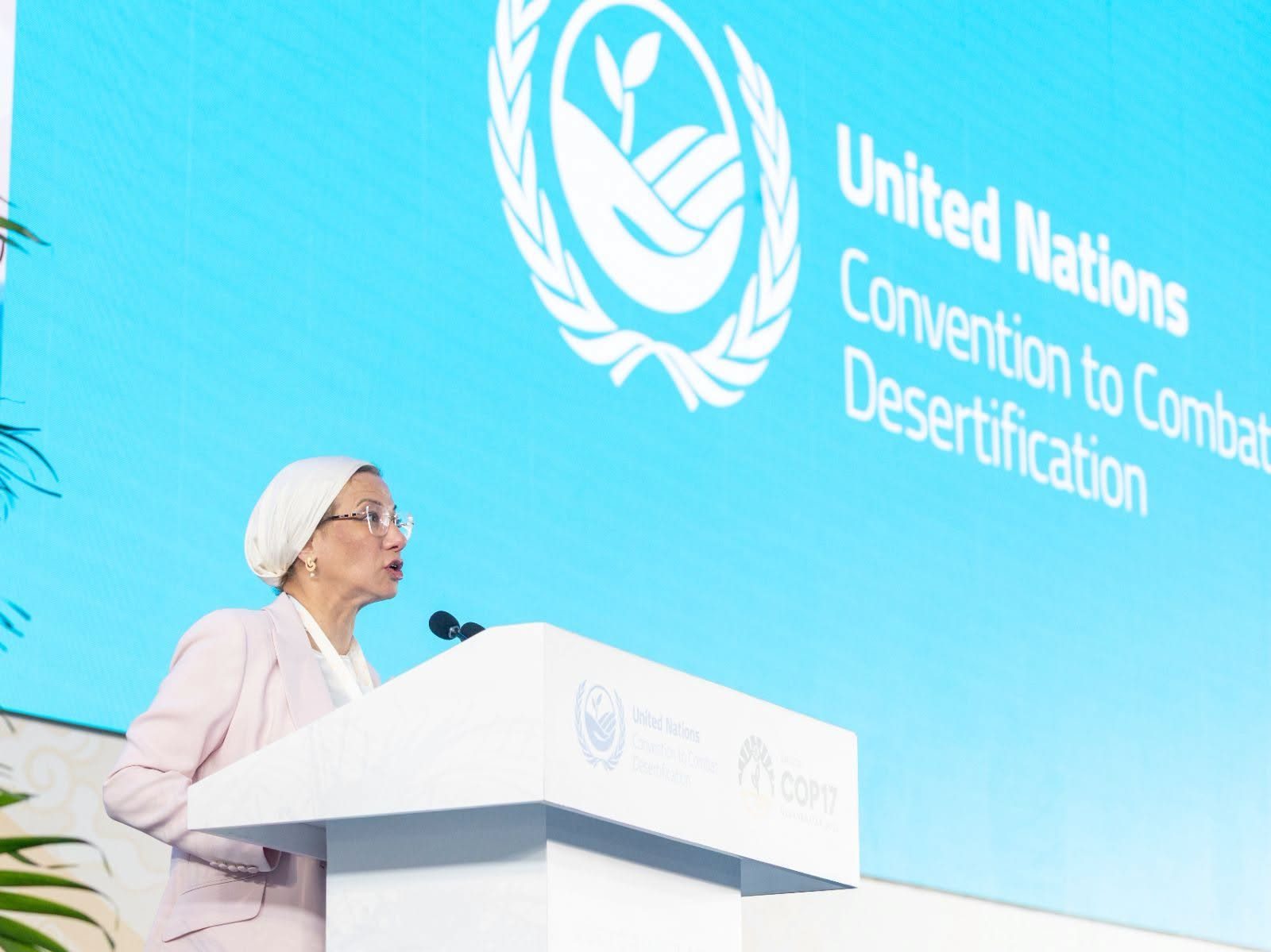
An estimated USD 355 billion a year is required to address land degradation and drought, while current investment stands at approximately USD 77 billion. How can the resulting annual financing gap of USD 278 billion be closed?
It requires rethinking the way we value land and the way we finance its restoration. In this way we can create a much broader financing ecosystem that brings together governments, multilateral development banks, development finance institutions, institutional investors, the private sector, philanthropic organizations. In many cases, the challenge is not the absence of capital but the absence of investable projects. Building stronger pipelines of bankable restoration projects should therefore be a priority.
COP17 provides an important platform to bring governments, international financial institutions, businesses, investors, philanthropic organizations and civil society together. Through initiatives such as, the UNCCD is helping create the policy and investment conditions needed to attract greater financing for regenerative landscapes.
Around half of global GDP depends moderately or highly on nature. As the global economy is projected to more than double by 2050 and demand for food continues to grow, investing in healthy land is becoming an economic necessity as much as an environmental one.
The private sector currently accounts for only six per cent of global financing for land restoration. What incentives are needed to mobilise significantly greater private investment?
The private sector has a much greater role to play than its current level of investment suggests. Healthy land underpins agriculture, food production, forestry, mining, manufacturing, tourism and many global supply chains. For businesses, investing in restoration is increasingly about managing long-term risk, strengthening resilience and securing the natural resources on which their operations depend.
The question is therefore how to create conditions that make restoration an attractive long-term investment. Today, many restoration projects struggle to attract private capital because they involve relatively high upfront costs, long investment horizons and returns that are not always reflected in conventional financial markets.
Governments can help address these barriers by providing stable regulatory frameworks, secure land tenure, transparent governance and reliable monitoring systems.
Public finance also has an important catalytic role through guarantees, blended finance and other risk-sharing instruments that improve the bankability of restoration projects and encourage private investment.
UNCCD's Business for Land initiative brings together governments, businesses, financial institutions and civil society to identify practical reforms that can unlock greater private investment in restoration. At COP17, the initiative will present policy recommendations developed through a global consultation led by the World Business Council for Sustainable Their recommendations focus on creating the policy, regulatory and investment conditions needed to scale investment in regenerative landscapes.
Mongolia and the UNCCD plan to launch the Rangelands Flagship Initiative during COP17. What concrete activities will be implemented under this initiative, and how will it ensure that the voices of pastoralists are reflected in decision-making?
The Rangelands Flagship Initiative begins with a simple recognition: healthy rangelands cannot be restored without the people who have managed them for generations. Pastoralists are among the first to experience the impacts of land degradation and climate change, but they are also among the most knowledgeable custodians of these ecosystems.
The Initiative seeks to place rangelands much higher on the global agenda while supporting practical action on the ground. It will strengthen international cooperation, mobilize investment, promote sustainable rangeland management and restoration, facilitate scientific collaboration, and encourage the exchange of knowledge and good practices among countries facing similar challenges.
During my visit to Mongolia, I had the opportunity to walk across the steppe with Budjav Bold, a herder, trained ecologist and ranger. He pointed out grasses that had become less common, pastures that still appeared healthy but no longer provided the same nutrition for livestock, and the subtle signs that told him it was time to move the herd. That experience reinforced an important lesson: successful restoration depends on bringing together science, innovation and the knowledge of the people who live closest to the land. Ensuring that pastoralists' voices are reflected in decision-making therefore means much more than consultation. It means involving them in planning, implementation and monitoring, strengthening community-based governance, and recognising that their experience is an essential part of the solution.
An estimated 77 per cent of Mongolia’s territory is affected by land degradation to varying degrees. What international commitments should Mongolia make to accelerate progress in mining, infrastructure development, livestock production, water management and environmental protection?
Mongolia has already demonstrated important leadership by hosting COP17 during the International Year of Rangelands and Pastoralists. This provides an opportunity not only to showcase Mongolia's own experience, but also to contribute to the global conversation on how countries can restore land while pursuing sustainable economic development.
One of Mongolia's greatest strengths is its ability to demonstrate that these issues do not exist in isolation. Decisions on mining, infrastructure, livestock production, water management and environmental protection all shape the same landscapes. Looking at them together allows countries to pursue economic development while protecting the natural resources that support long-term prosperity.
For countries such as Mongolia, this means looking at the landscape as a whole rather than through individual sectors. Land restoration should not be seen as a separate environmental objective but as part of national planning, helping to improve water management, strengthen food systems, reduce vulnerability to drought and support more resilient communities.
Looking at the landscape as a whole will become even more important as climate change places greater pressure on land and water resources.
Mongolia's experience also has value beyond its borders. Many of the challenges it faces—including land degradation, drought, water scarcity and sand and dust storms—are shared by countries across Central Asia and other dryland regions. By sharing practical experience, strengthening scientific cooperation and expanding partnerships, Mongolia can contribute to solutions that benefit many other countries facing similar challenges.
I also hope COP17 further strengthens Mongolia's leadership on rangelands. Hosting the Conference during the International Year of Rangelands and Pastoralists creates a unique opportunity to place these ecosystems much higher on the international agenda and demonstrate that investing in restored land also supports stronger economies, greater water security, more resilient food systems and sustainable rural livelihoods. If COP17 succeeds in advancing that vision, Mongolia's contribution will extend well beyond the two weeks of negotiations in Ulaanbaatar.
When COP17 is assessed four years later, in 2030, what measurable changes would you like to see across the world’s drylands and Mongolia’s rangelands?
When people look back at COP17 in 2030, I hope they will see it as part of a broader change in the way we think about land.
I hope restoration will increasingly become part of mainstream economic and development planning rather than being viewed primarily as an environmental objective. Across the world's drylands, I would like to see healthier soils, more resilient rangelands, improved water management and communities that are better prepared to cope with drought and a changing climate. I also hope countries will have made visible progress in delivering on their national restoration commitments, supported by stronger partnerships, better science and increased investment.
For Mongolia, I hope the launch of the Rangelands Flagship Initiative should mark the beginning of a long-term international partnership that continues to support sustainable rangeland management, scientific cooperation and investment.
I also hope Mongolia's experience encourages other dryland countries to recognise the value of pastoral knowledge and integrated landscape management.
I would also like to see a broader change in the way restoration is viewed. Restoring land should increasingly be recognised as an investment in food security, water security, resilient economies and people's well-being—not simply as a response to environmental degradation. If COP17 helps accelerate that shift in thinking, its impact will be felt long after the Conference has concluded.